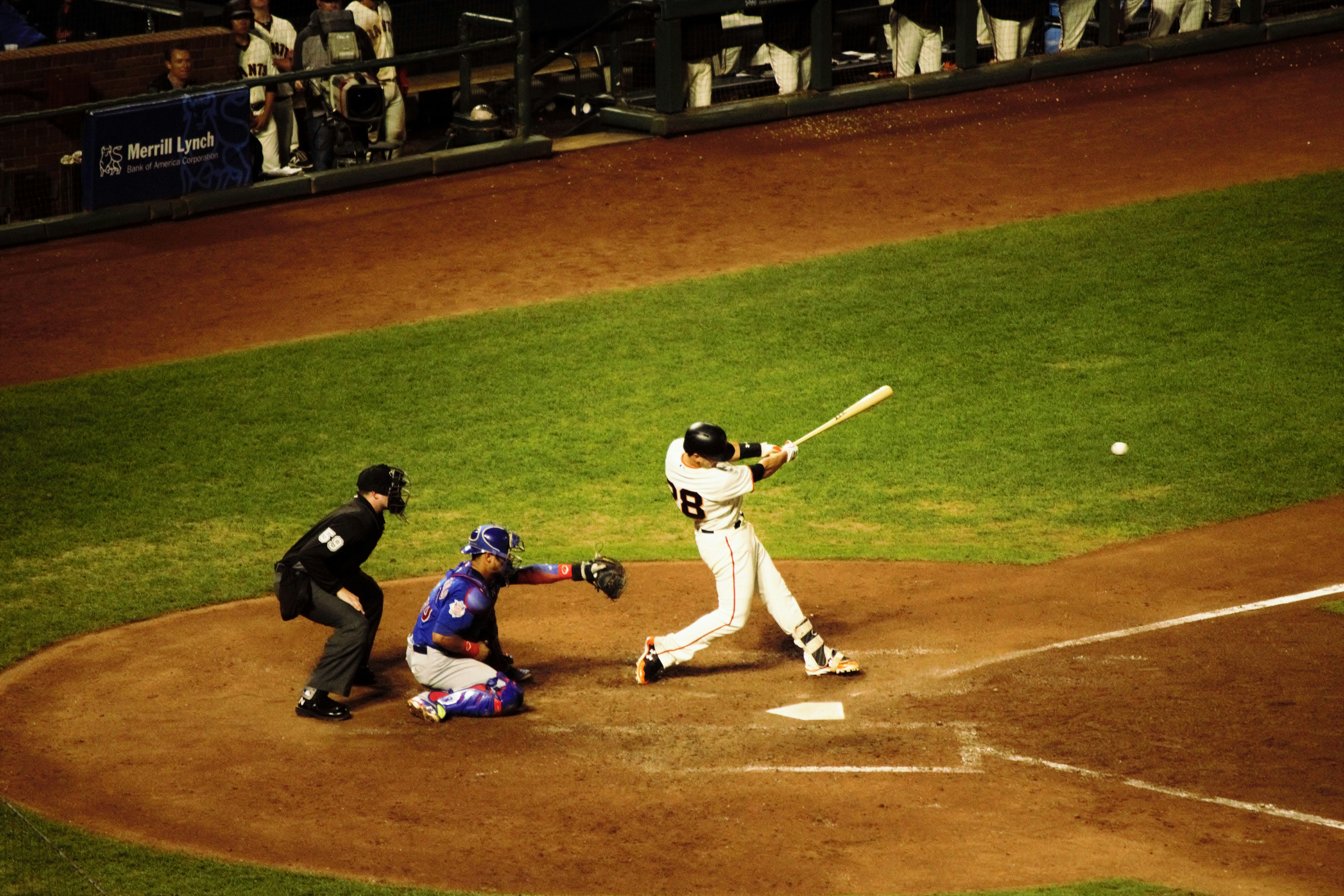
The two-strike count presents a unique dilemma for many hitters, merging psychological strain with technical challenges. As the count escalates to two strikes, players often experience heightened pressure that can lead to a significant decline in performance. This pressure, compounded by the fear of striking out, can sap a batter’s confidence and morph their approach at the plate from aggressive to overly cautious.
One of the critical issues that hitters face in this scenario is the instinct to adopt a defensive posture. With two strikes against them, many batters prioritize contact over power, which can result in weakly hit balls and an increased likelihood of outs. This defensive mindset can be detrimental, as it tempts players to alter their natural swing mechanics, leading to inconsistent results.
Statistics illustrate the difficulty hitters encounter with two strikes. In recent seasons, the average strikeout rate in Major League Baseball has risen considerably, highlighting a growing trend among players who struggle under pressure. Data shows that hitters tend to strike out more frequently with two strikes, which raises the stakes on each pitch. This frequency of strikeouts can adversely affect a player’s overall performance and morale, perpetuating a cycle of anxiety and diminished self-assurance.
To counter these challenges, it is essential that players develop strategies that can help manage the psychological burdens associated with two-strike counts. Mental conditioning, visualization techniques, and a focus on maintaining one’s usual approach can aid in alleviating the stress that often accompanies this pivotal moment in an at-bat. Recognizing these challenges and applying appropriate techniques will help mitigate the pressures of the two-strike count, transforming a seemingly adverse situation into an opportunity for growth and resilience at the plate.
Developing a Proactive Two-Strike Strategy
In the realm of baseball, confronting a two-strike count often instills a sense of pressure in hitters. Nevertheless, by developing a proactive two-strike strategy, players can convert this challenge into an opportunity for success. The first step to enhancing performance when behind in the count is to foster a mindset that embraces aggression rather than retreat. This approach involves reevaluating one’s techniques and embracing a more dynamic style of hitting.
One vital aspect of a proactive strategy is pitch recognition. Hitters must cultivate the ability to quickly identify pitch types and their trajectories. This skill not only aids in making contact but also enhances decision-making. By paying keen attention to the pitcher’s patterns, hitters can anticipate the types of pitches likely to be thrown in crucial situations.
Furthermore, understanding the pitcher’s strategy is critical. Analyzing a pitcher’s tendencies, especially when dealing with two strikes, empowers a batter to adapt their approach accordingly. For example, recognizing that the pitcher may rely heavily on breaking balls or fastballs can provide crucial insight into selecting the right approach and swing. Hitters should also consider how the game context—runners on base, score, and the inning—can influence a pitcher’s decisions.
Additionally, identifying potential gaps in the defense is a vital element of a proactive two-strike strategy. Hitters should not solely focus on making contact; they must also evaluate the field layout to exploit defensive weaknesses. By assessing the positions of fielders, players can target specific areas, which may result in base hits even with two strikes.
In this way, mastering the two-strike hitting strategy becomes less about mere survival and more about strategic aggressiveness, enhancing the hitter’s effectiveness under pressure.
Mental Approach: Building Confidence Under Pressure
When it comes to two-strike hitting, the mental aspect plays a pivotal role in a player’s performance. The pressure of being just one pitch away from an out can weigh heavily on athletes, making it essential to develop a positive mindset that remains resolute in the face of adversity. Building confidence under such pressure can be significantly enhanced through various psychological techniques.
Visualization techniques are one valuable method for players to cultivate a winning mindset. By mentally picturing successful outcomes prior to stepping up to the plate, athletes can create a mental roadmap that empowers them to approach two-strike counts with assurance. This practice encourages them to imagine not only the swing and contact but also the satisfaction of delivering a hit. Sports psychologists often recommend dedicating a few moments before the at-bat to this visualization process, promoting a calm focus that translates into physical performance.
Breathing exercises are another essential tool that players can employ to center themselves during high-pressure situations. Controlled breathing helps mitigate stress and anxiety, allowing players to maintain clarity and composure. Techniques, such as the 4-7-8 method—breathing in for four counts, holding for seven counts, and exhaling for eight counts—can ground players in the moment and prepare them mentally for the pitch ahead.
Furthermore, establishing a pre-at-bat routine fosters consistency and helps build confidence. Each player might find a unique rhythm or sequence, be it adjusting their batting gloves or stepping out of the box for a moment to collect their thoughts. This routine acts as a psychological signal, reinforcing their focus and readiness to perform, even when stakes are high.
Advice from seasoned players who excel under pressure can also underscore these methods. They often share their experiences and strategies for cultivating confidence, demonstrating that success in two-strike hitting is not just about physical capability but also a strong mental foundation. By integrating these techniques, players can turn a challenging situation into an opportunity to showcase their abilities, transforming anxiety into a powerful performance.
Practical Drills and Techniques for Two-Strike Situations
Improving two-strike hitting is critical for any player aiming to enhance their performance on the field. A well-rounded approach combines various drills and techniques that simulate the pressure and conditions of actual gameplay. One effective method is live pitching practice, where players face pitchers in a controlled environment. This not only mimics game conditions but also allows hitters to work on their timing and pitch recognition.
Another beneficial exercise is situational hitting drills. In these drills, players practice hitting with specific scenarios in mind, such as a runner on second base or a late-game situation. Coaches can implement different count scenarios (two strikes) to get players accustomed to adjusting their swings. This practice highlights the importance of adapting one’s approach under pressure while also maintaining composure.
Video analysis has emerged as a valuable tool for improving two-strike hitting. By reviewing footage of successful two-strike hitters, players can identify techniques and strategies utilized by more experienced athletes. Observing the stance, swing mechanics, and decision-making processes of these hitters can inspire and guide younger players in their own approach. Using video analysis provides an opportunity to learn through observation, which can reinforce key concepts about maintaining a fighting mindset in difficult at-bats.
Incorporating drills such as soft toss or tee work specifically tailored for two-strike counts can also bolster a player’s confidence. Focused practice on altering hand positioning or adjusting swing speed can facilitate better outcomes in high-pressure situations. All these techniques and drills, when consistently practiced, can transform player performance in two-strike scenarios from a moment of anxiety into an opportunity for success.